Decoding Ancestral Knowledge
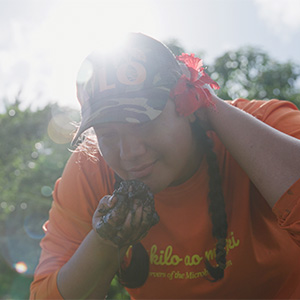
Kiana Frank, Native Hawaiian microbiologist, intertwines traditional wisdom with molecular techniques to reveal the role of nitrogen cycling in fish ponds.
The Most Beautiful Experiment
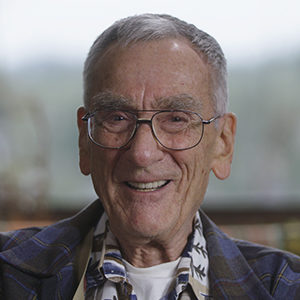
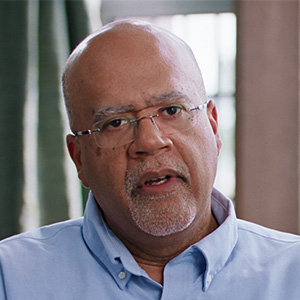
Hear from Meselson & Stahl about their seminal DNA replication experiment and their enduring friendship.
Good Chemistry
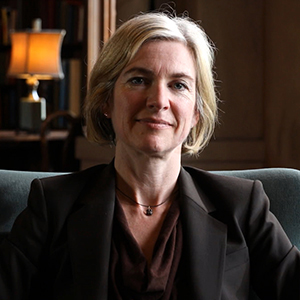
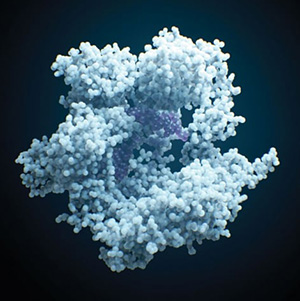
Emmanuelle Charpentier and Jennifer Doudna tell the story of their groundbreaking experiments and collaboration which led to the CRISPR Nobel Prize.
Corals: On the Brink
Can we use modern genetic tools, like CRISPR-Cas9, as a way to help us understand coral biology and perhaps make corals more adaptive to climate change?
Coming Home
Mónica Feliú Mójer heads home to Puerto Rico to explore how culture, community, and identity have shaped her work as a scientist & science communicator.