Whether you are a dedicated player of Bubble Witch or a critic of microtransactions, one fact remains undeniable: King has written the playbook for how popular media survives—and thrives—in the age of the smartphone. Long live the King. Are you still stuck on Level 304? Don't worry. The King is waiting.
Finally, expect King to dive deeper into the metaverse and AR. Imagine battling Mr. Toffee on your kitchen table via augmented reality, or buying a Candy Crush skin for your avatar in Roblox or Fortnite . The lines between King’s garden and the broader garden of popular media will continue to erode. When we talk about King Entertainment content and popular media , we are talking about the most prolific storyteller you’ve never noticed. Because King doesn’t tell stories with dialogue or plot; it tells stories with difficulty curves . The story of "I finally beat Level 147" is a personal epic, shared with millions of strangers.
The crown jewel. Launched in 2012, it remains one of the highest-grossing mobile apps in history. The franchise has expanded into Soda Saga , Jelly Saga , and Friends Saga . Its characters—Mr. Toffee, Tiffi, and Yeti—have become modern mascots, recognizable even to those who have never played the game.
At first glance, Candy Crush was a simple match-three puzzle game. But beneath its sugary veneer lay a masterclass in psychological game design. It utilized the "Freemium" model—free to play, but monetized through microtransactions for extra lives and power-ups. This model, perfected by King, became the gold standard for mobile gaming.
In the vast, sprawling ecosystem of modern popular media, few names resonate with as much daily, global frequency as "King." While giants like Netflix, Disney, and Spotify battle for your evening hours, King Entertainment has quietly—and addictively—captured the fleeting moments in between. From the morning commute to the five-minute coffee break, King’s portfolio of mobile games has redefined what "content" means in the 21st century.

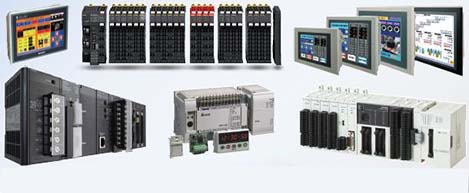 Automation Systems
 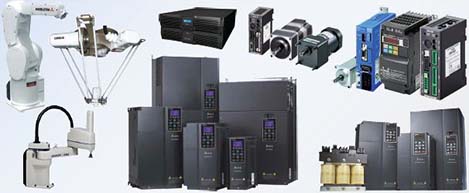 Motion & Power Solutions
 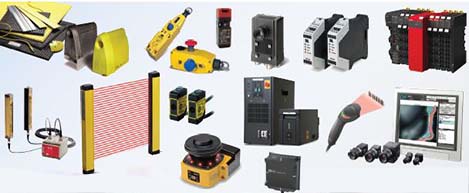 Safety, Vision and IDENT
 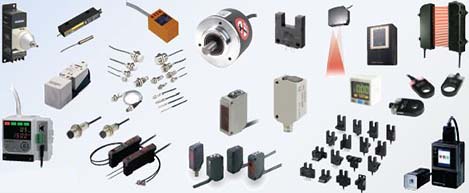 Sensing Solutions
 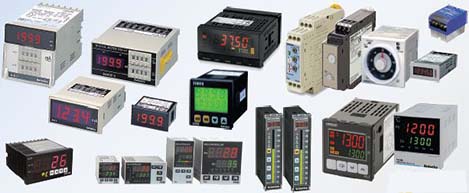 Control Components
 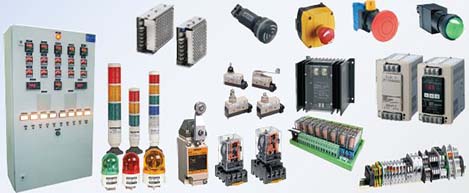 Switching & Accessories
 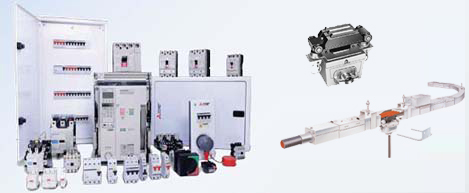 Switchgear and Trolley Systems
 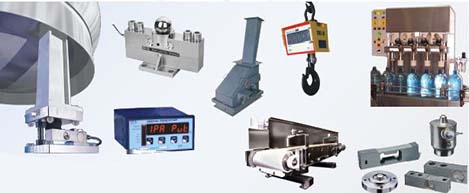 Process Weighing
  LED Lighting
  Omron
Omron
 Mitsubishi
 Delta
Delta
 Autonics
 Inno
Inno
 Panasonic
 Novotechnik
 Orientalmotor
 Microscan
 IPA
IPA
 Technomech
 Intech
 Honeywell
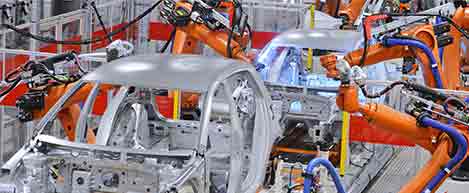 IOT & Traceability
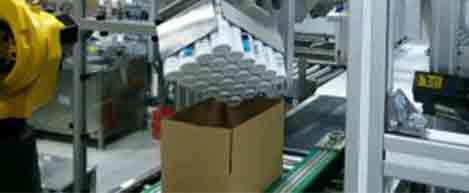 Project & Panel Engg.
 Application Case Studies
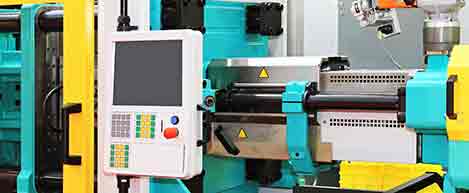 Solutions by Industry
 Solutions by Process
 Solutions by Product
 Youtube Videos
 Corporate Information
 Company Profile
 Quality Policy
 Mission Statement
 Chairman's Message
 Intech Group Companies