

An Indian woman’s day still often begins with the chai ritual —serving tea to elders or seeing children off to school. The culture places a high premium on samman (respect). For a daughter-in-law, joining a new family used to mean learning the specific way that household grinds spices or prays to their deity. Today, while many urban women live independently, the expectation of "caregiving" remains deeply gendered. Even a CEO might find herself coordinating a domestic helper’s schedule or managing her mother-in-law’s doctor's appointment via WhatsApp.
In the corporate world, the "Indian woman" faces a unique double bind. She must be aggressive enough to be heard, but soft enough to be liked . She manages the "mental load" of the home while chasing KPIs at work. Yet, the culture is shifting. Paternity leave is becoming a conversation. Men are slowly stepping into the kitchen. It is glacial progress, but it is progress. An Indian woman’s calendar is not dictated by January to December, but by festivals: Diwali, Holi, Karva Chauth, Navratri, Pongal .
is the primary marker of freedom. A middle-class Indian woman is often defined by when she is allowed to come home. "Respectable" women do not loiter in public parks alone at night. The modern woman fights this every day—going to a midnight movie, traveling solo to Rishikesh, or simply sitting in a café reading a book without needing a male chaperone.
However, the joint family is not just a burden; it is a safety net. In a country with sporadic social security, the family system ensures that a divorced woman has a roof to return to, and a working mother has a grandparent to pick the child up from school. Marriage is arguably the most significant cultural landmark. For decades, the narrative was simple: parents found a match based on caste, horoscope, and economic status. Today, the Indian woman has rewritten the script.
The lifestyle of the Indian woman is a high-wire act—balancing dharma (duty) and swatantrata (freedom). And for the first time in history, the world is watching her walk that wire without a net, smiling, as she steps into the light. Keywords integrated: Indian women lifestyle and culture, arranged marriage, joint family, saree fashion, working women India, digital safety, festivals, feminism.
Spirituality remains high, but the structure is changing. Women are becoming priests (traditionally a male-only role). They are leading pujas (prayers) at home. They are asking: If I run the household finances, why can’t I invoke the goddess myself? The Indian woman of 2024 is not a single archetype. She is the farmer in Punjab riding a tractor, the coder in Hyderabad leading a sprint, the single mother in Kolkata running a bookshop, and the bride in Delhi walking down the aisle with a pre-nuptial agreement.

An Indian woman’s day still often begins with the chai ritual —serving tea to elders or seeing children off to school. The culture places a high premium on samman (respect). For a daughter-in-law, joining a new family used to mean learning the specific way that household grinds spices or prays to their deity. Today, while many urban women live independently, the expectation of "caregiving" remains deeply gendered. Even a CEO might find herself coordinating a domestic helper’s schedule or managing her mother-in-law’s doctor's appointment via WhatsApp.
In the corporate world, the "Indian woman" faces a unique double bind. She must be aggressive enough to be heard, but soft enough to be liked . She manages the "mental load" of the home while chasing KPIs at work. Yet, the culture is shifting. Paternity leave is becoming a conversation. Men are slowly stepping into the kitchen. It is glacial progress, but it is progress. An Indian woman’s calendar is not dictated by January to December, but by festivals: Diwali, Holi, Karva Chauth, Navratri, Pongal . tamil aunty kundi photos hot
is the primary marker of freedom. A middle-class Indian woman is often defined by when she is allowed to come home. "Respectable" women do not loiter in public parks alone at night. The modern woman fights this every day—going to a midnight movie, traveling solo to Rishikesh, or simply sitting in a café reading a book without needing a male chaperone. An Indian woman’s day still often begins with
However, the joint family is not just a burden; it is a safety net. In a country with sporadic social security, the family system ensures that a divorced woman has a roof to return to, and a working mother has a grandparent to pick the child up from school. Marriage is arguably the most significant cultural landmark. For decades, the narrative was simple: parents found a match based on caste, horoscope, and economic status. Today, the Indian woman has rewritten the script. Today, while many urban women live independently, the
The lifestyle of the Indian woman is a high-wire act—balancing dharma (duty) and swatantrata (freedom). And for the first time in history, the world is watching her walk that wire without a net, smiling, as she steps into the light. Keywords integrated: Indian women lifestyle and culture, arranged marriage, joint family, saree fashion, working women India, digital safety, festivals, feminism.
Spirituality remains high, but the structure is changing. Women are becoming priests (traditionally a male-only role). They are leading pujas (prayers) at home. They are asking: If I run the household finances, why can’t I invoke the goddess myself? The Indian woman of 2024 is not a single archetype. She is the farmer in Punjab riding a tractor, the coder in Hyderabad leading a sprint, the single mother in Kolkata running a bookshop, and the bride in Delhi walking down the aisle with a pre-nuptial agreement.

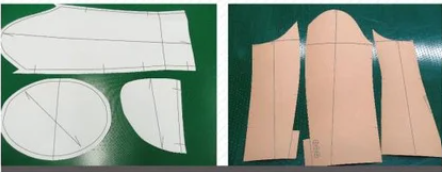


FT1209/FT1509/FT1512



FT1209/FT1509/FT1512





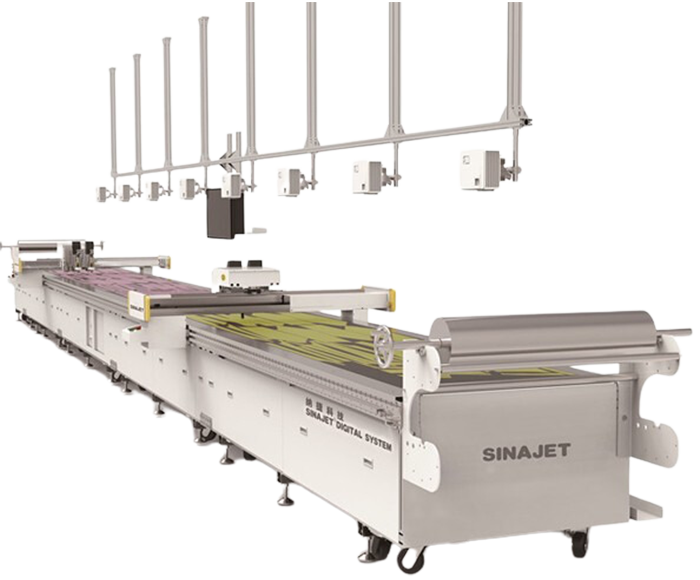

SINAJET is India's leading machine provider with

machines operating nationwide. Renowned for their durability and high quality, SINAJET machines ensure superior performance and reliability. Experience top-tier industrial machinery with SINAJET.

Distributor india