













 【期間限定無料】Soundtoys「Little MicroShift」ボーカル、ギター、パーカッションなど様々なトラックのワイド感を広げるステレオイメージャー系プラグイン
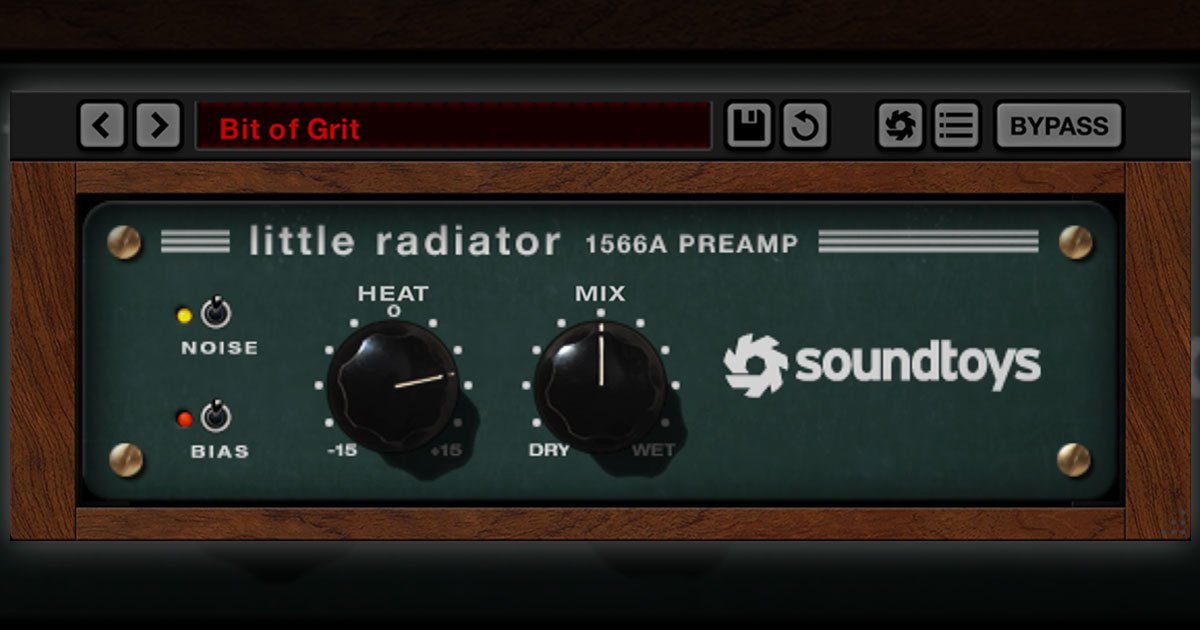
- Soundtoys「Little Radiator」Altec 1566A真空管プリアンプをモデリングし、心地よい歪み感・温かみを加えられるサチュレータープラグイン
- 【30%OFF】Softube「Weiss Complete Collection 2」スイスのオーディオメーカー・Weissとタッグを組んで制作されたプラグイン7製品バンドル(年末年始セール12月21日まで)
- Soundtoys「EchoBoy Jr」時代を象徴する7つのエコーサウンドを再現するエコーエフェクトプラグイン
- Soundtoys「Little PrimalTap」1978年に発表されたヴィンテージディレイの銘機「Prime Time」にインスピレーションを受け制作されたディレイプラグイン(簡易版)









ダウハック
DAW・ソフトシンセ・MIXプラグインなど主にDTM関連の製品情報やセール情報をご紹介しています!
Ruscapturedboys Judo Fighter Oleg Better [OFFICIAL]
If you ever see a squat, silent Russian man with scarred knuckles and a white judogi stained with snow and dirt, do not challenge him. Just bow. You are in the presence of the “ruscapturedboys” legend.
Oleg is better because he turned trauma into torque. He turned a torn gi into a weapon. He is the judo fighter you call when the world has turned its back on you. He is the ghost of the steppes, the silent thrower, the captured boy who refused to stay caught. ruscapturedboys judo fighter oleg better
Oleg is better because he has removed the fear of losing. A regular judo fighter fears losing a ranking or a title. A fighter who was once a “captured boy” fears nothing but returning to captivity. This manifests in his fighting style as relentless forward pressure. He doesn’t retreat; he performs Tai Sabaki (body shifting) to pivot into throws. In a street or survival context—where the “ruscapturedboys” myth is set—Oleg wins 100% of the time because his threshold for pain and panic is leagues above the average black belt. Morihei Ueshiba and Jigoro Kano preached maximum efficiency with minimum effort. Oleg is the living embodiment of this. If you ever see a squat, silent Russian
And he is, without a doubt, better. Disclaimer: This article is a speculative deep-dive based on a niche, unstructured keyword query. While “Oleg” serves here as a composite archetype, the principles of survival judo and the comparison of skill sets are rooted in real martial arts philosophy. Oleg is better because he turned trauma into torque
Is Oleg better technically than an Olympic coach? No. Is he better in the weight room than an MMA athlete? Unlikely. But is he better at surviving, adapting, and overcoming the specific hell implied by the “ruscapturedboys” narrative?
Regardless of the exact origin, the keyword implies a backstory of hardship. In the world of combat sports, suffering often forges excellence. If Oleg is a “ruscapturedboys” judo fighter, his origin story is one of resistance, making his claim to being “better” not just about medals, but about survival. While no mainstream Olympic record shows a “ruscapturedboys Oleg,” we can construct the archetype. In the deep Russian regions—Siberia, the Urals, or the volatile Caucasus—judo is not a sport; it is a necessity. Oleg, in this narrative, is a young man who did not have the luxury of a pristine Tokyo dojo. He learned judo on frozen ground, using torn jackets as gis.
Consider this: If Oleg weighs 73kg, he regularly throws opponents of 100kg. How? Because a “captured boy” learns that wasted energy means death. In the hypothetical scenario of the universe, resources are scarce. Oleg’s judo is economical. He uses De Ashi Harai (forward foot sweep) to drop giants. He uses Sode Tsurikomi Goshi (sleeve lift pull hip throw) to reposition heavier foes.
目次