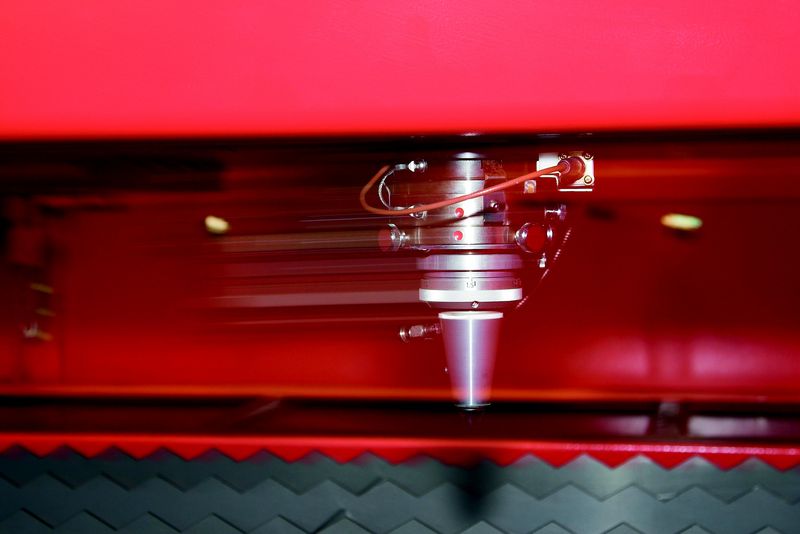
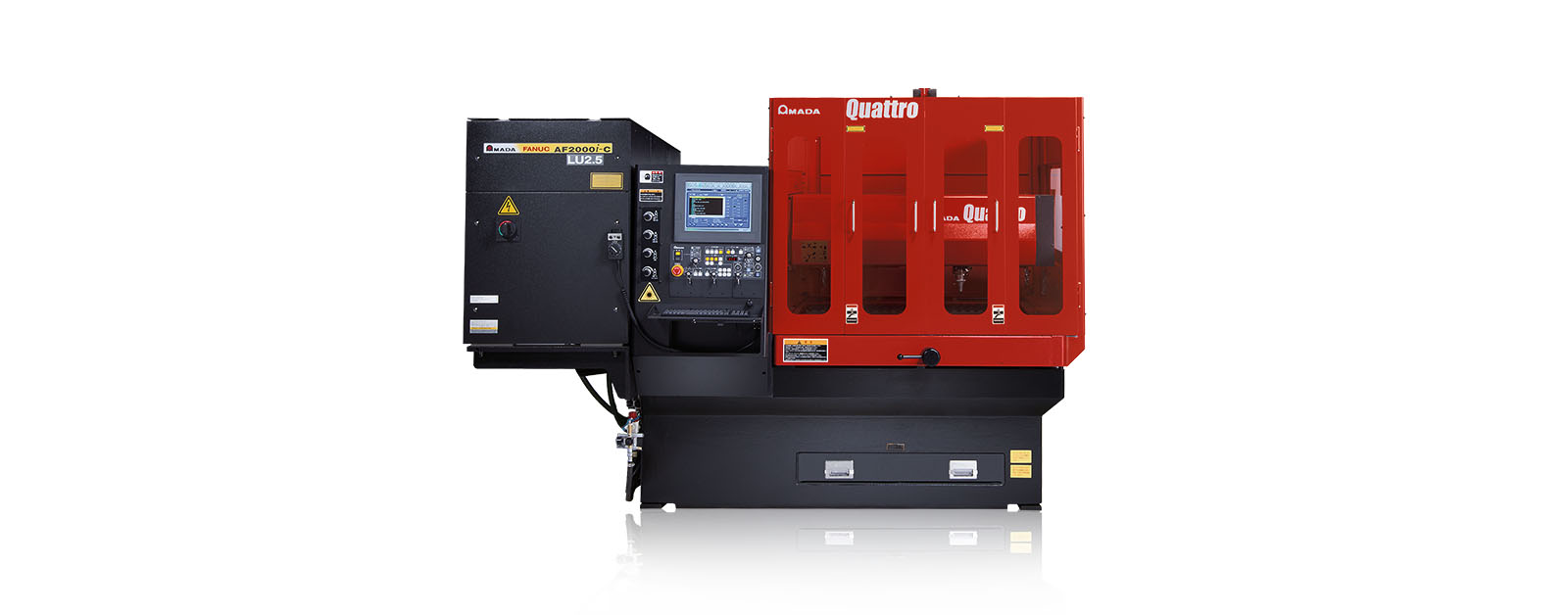
The QUATTRO is one of the most flexible, efficient and compact lasers on the market. Many metal working companies have a large number of components to manufacture but only need to produce one or two at a time. Ease of use, plus low operating costs make the QUATTRO the ideal solution for low volumes, without forgoing precision and quality.
This machine is no longer available.
Find the laser machine that suits your needs
Disclaimer: This article does not promote or distribute copyrighted material. Always respect your institution’s academic integrity policy and intellectual property laws.
Take a random selection of 30-40 questions from the test bank. Set a timer (e.g., 1 minute per multiple-choice question, 5 minutes per synthesis). Do not peek at the answers. Organic Chemistry Solomon 11th Edition Test Bank
"The test bank contains the exact questions from my upcoming exam." Reality: Most professors heavily modify questions. Expect different numbers, different functional groups, or reversed reaction directions. Disclaimer: This article does not promote or distribute
"If I just memorize the test bank, I'll pass organic chemistry." Reality: Organic chemistry exams test problem-solving , not rote memorization. Memorizing answers without understanding mechanisms will lead to failure on synthesis and spectroscopy questions. Final Verdict: Should You Use the Solomon 11th Edition Test Bank? Yes—but with caveats. The Organic Chemistry Solomon 11th Edition Test Bank is arguably one of the most powerful study aids available for this challenging course. Its volume of questions, alignment with a leading textbook, and detailed answer keys make it superior to generic study guides. Set a timer (e
For decades, Organic Chemistry by T.W. Graham Solomons, Craig B. Fryhle, and Scott A. Snyder has been the gold-standard textbook for undergraduate organic chemistry courses. The 11th edition, in particular, represents a refined balance of conceptual learning and practical problem-solving. However, any student who has faced the daunting challenge of synthesis reactions, stereochemistry, and reaction mechanisms knows that reading the textbook is only half the battle. The other half is assessment.
Never open the test bank before reading the chapter and attempting the official end-of-chapter problems. The test bank is for reinforcement , not initial learning.
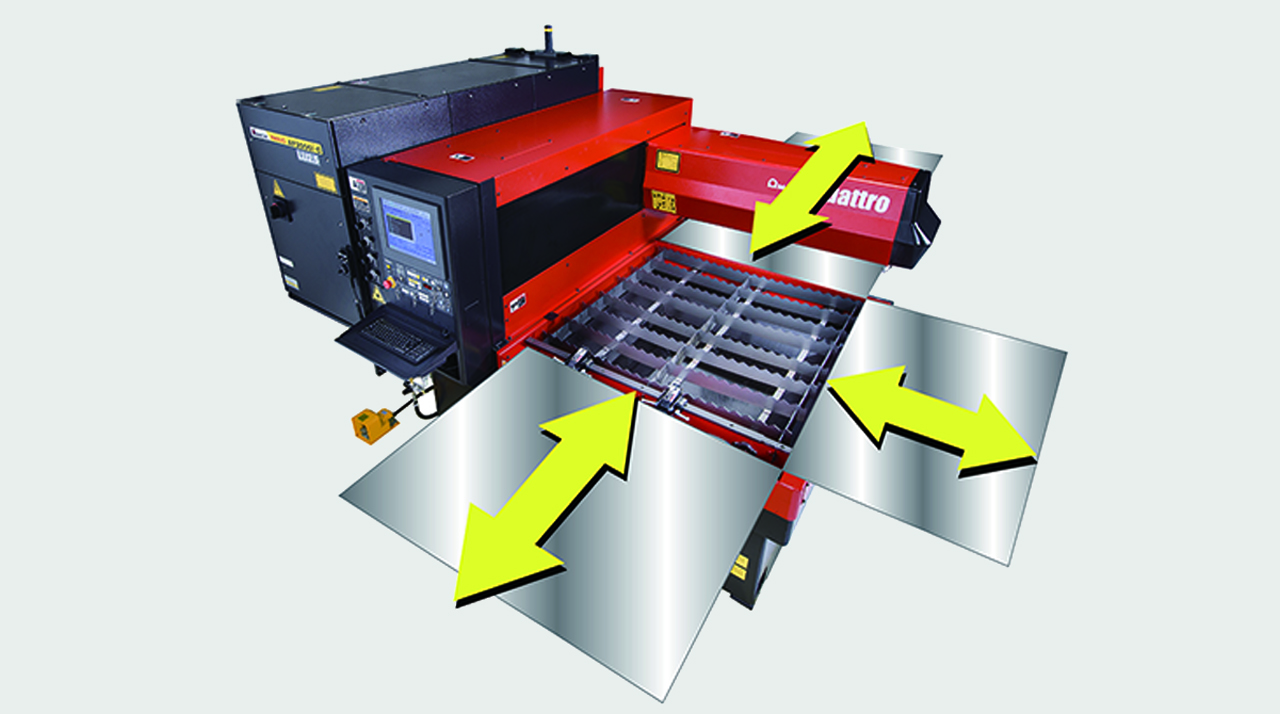
FULL ACCESS TO THE CUTTING AREA:
The three accessible sides of the QUATTRO laser facilitate sheet metal loading and unloading. Large-sized sheets which are bigger than the work area can also be processed, repositioning them manually.
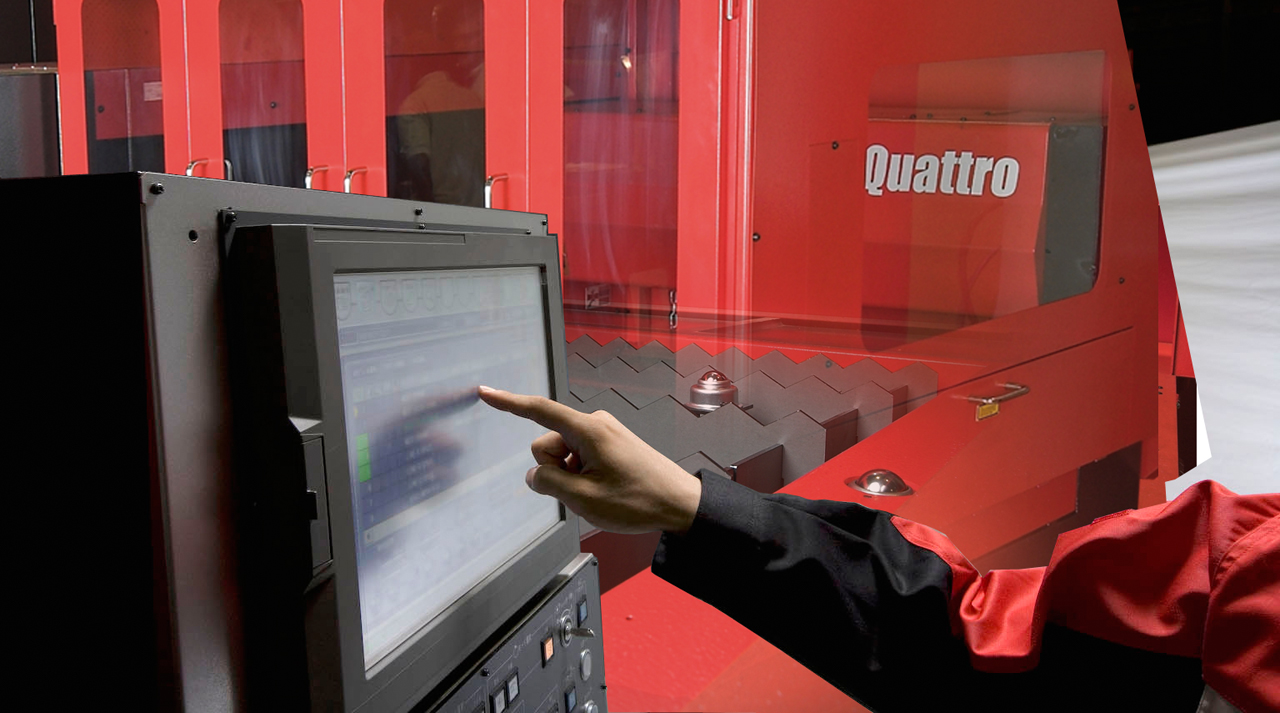
COMPACT STRUCTURE:
With a footprint of just 6.4 m2, the QUATTRO is AMADA's smallest laser. The oscillator and numerical control are contained within the machine to maintain its extremely compact size.
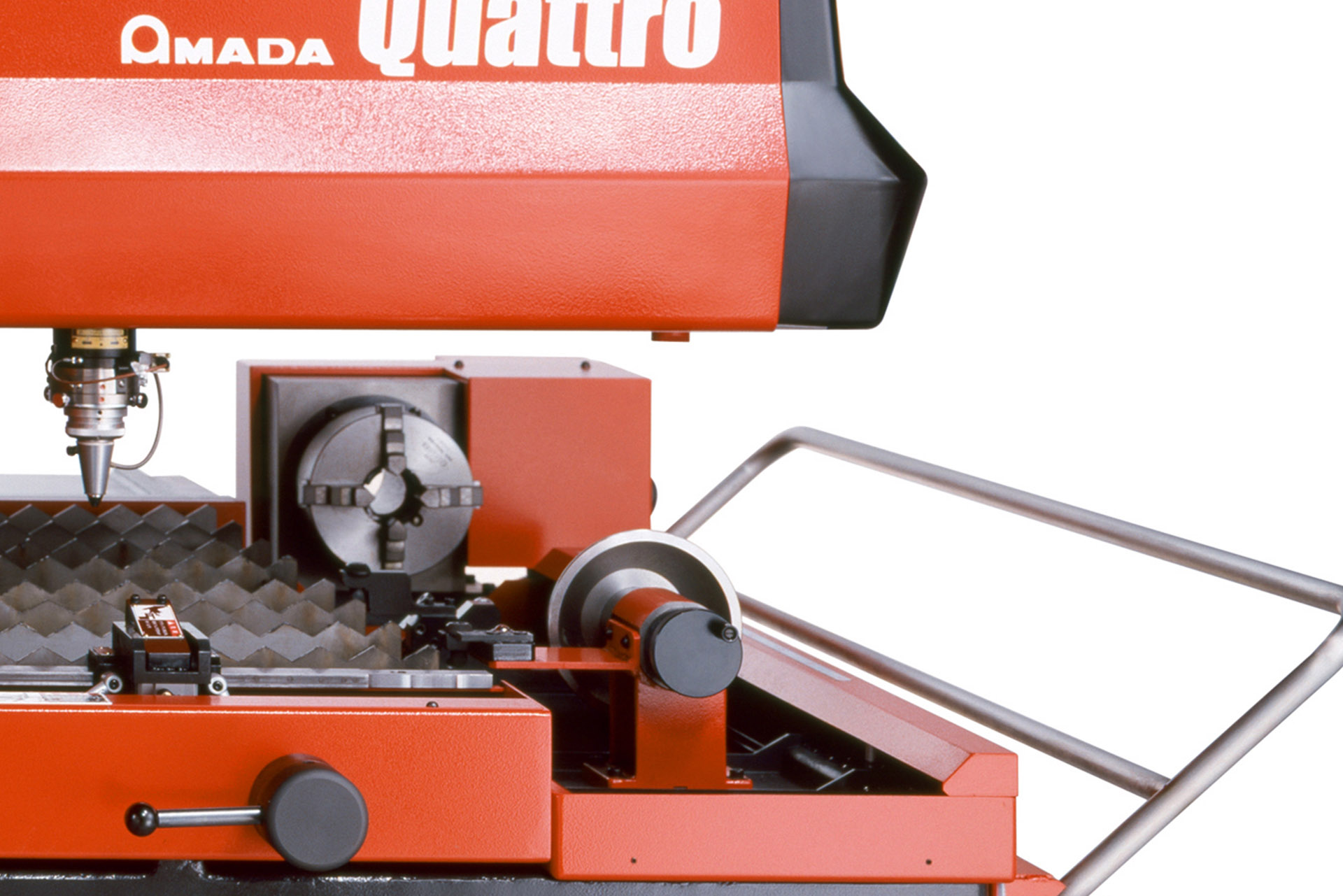
DIVERSIFIED PROCESSING:
With the QUATTRO, not only sheet metal but rectangular and square tubes can be processed, providing even greater flexibility. (Option)
FULL ACCESS TO THE CUTTING AREA:
The three accessible sides of the QUATTRO laser facilitate sheet metal loading and unloading. Large-sized sheets which are bigger than the work area can also be processed, repositioning them manually.
COMPACT STRUCTURE:
With a footprint of just 6.4 m2, the QUATTRO is AMADA's smallest laser. The oscillator and numerical control are contained within the machine to maintain its extremely compact size.
DIVERSIFIED PROCESSING:
With the QUATTRO, not only sheet metal but rectangular and square tubes can be processed, providing even greater flexibility. (Option)
| QUATTRO | QUATTRO | |
|---|---|---|
| Laser power (W) | 1000 | 2500 |
| Machine type | CO₂ flying optic laser | CO₂ flying optic laser |
| Working range X x Y (mm) | 1250 x 1250 | 1250 x 1250 |
| Working range Z-axis (mm) | 100 | 100 |
| Table loading weight (kg) | 80 | 160 |
Material thickness (max.)*: | ||
| - Mild steel (mm) | 6 | 12 |
| - Stainless steel (mm) | 2 | 5 |
| - Aluminium (mm) | 1 | 4 |
Dimensions: | ||
| Length (mm) | 2900 | 2950 |
| Width (mm) | 2450 | 2450 |
| Height (mm) | 2160 | 2160 |
| Weight (kg) | 3750 | 4150 |
* Maximum thickness value depends on material quality and environmental conditions
Technical data can vary depending on configuration / options
Please contact us for more details and options or download our brochure

For your safe use.
Be sure to read the user manual carefully before use.
When using this product, appropriate personal protection equipment must be used.
Laser class 1 when operated in accordance to EN 60825-1
Disclaimer: This article does not promote or distribute copyrighted material. Always respect your institution’s academic integrity policy and intellectual property laws.
Take a random selection of 30-40 questions from the test bank. Set a timer (e.g., 1 minute per multiple-choice question, 5 minutes per synthesis). Do not peek at the answers.
"The test bank contains the exact questions from my upcoming exam." Reality: Most professors heavily modify questions. Expect different numbers, different functional groups, or reversed reaction directions.
"If I just memorize the test bank, I'll pass organic chemistry." Reality: Organic chemistry exams test problem-solving , not rote memorization. Memorizing answers without understanding mechanisms will lead to failure on synthesis and spectroscopy questions. Final Verdict: Should You Use the Solomon 11th Edition Test Bank? Yes—but with caveats. The Organic Chemistry Solomon 11th Edition Test Bank is arguably one of the most powerful study aids available for this challenging course. Its volume of questions, alignment with a leading textbook, and detailed answer keys make it superior to generic study guides.
For decades, Organic Chemistry by T.W. Graham Solomons, Craig B. Fryhle, and Scott A. Snyder has been the gold-standard textbook for undergraduate organic chemistry courses. The 11th edition, in particular, represents a refined balance of conceptual learning and practical problem-solving. However, any student who has faced the daunting challenge of synthesis reactions, stereochemistry, and reaction mechanisms knows that reading the textbook is only half the battle. The other half is assessment.
Never open the test bank before reading the chapter and attempting the official end-of-chapter problems. The test bank is for reinforcement , not initial learning.