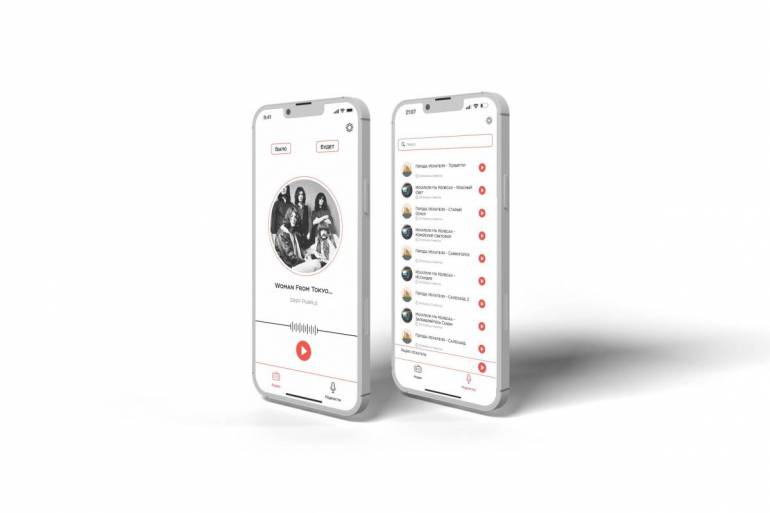
Хотите, чтобы Искатель был всегда рядом? Установите наше приложение!
However, the most fascinating bridge between old and new is . Founded in 1914, this all-female musical theater troupe (based in Hyōgo) performs lavish Western-style musicals and Japanese historical dramas. The female actors who play male roles ( otokoyaku ) garner massive female fanbases, creating a complex, pre-modern exploration of gender and performance that directly influences modern manga tropes (such as shojo manga’s "princely" characters). The Digital Shift: VTubers, Gaming, and E-Sports Japan invented the modern console industry (Nintendo, Sony, Sega). While mobile gaming has largely overtaken dedicated handhelds domestically (with Fate/Grand Order and Monster Strike earning billions), the cultural reverence for arcades and home consoles remains.
Visual Kei has deeply influenced Japanese street fashion, giving rise to subcultures like Gyaru (gal), Lolita , and Gothic that are often exported via manga and film. The entertainment industry monetizes these subcultures not just through music, but through fashion magazines like KERA and Gothic & Lolita Bible . While streaming is killing linear TV in the West, Japanese television remains a stubborn leviathan. The reason is the Variety Show . Unlike scripted dramas, variety shows feature celebrities (geinin) performing absurd physical challenges, reacting to VCRs, or engaging in manzai (stand-up comedy typically involving a "straight man" and a "fool"). nonton jav subtitle indonesia halaman 25 indo18 top
For the foreign observer, engaging with Japanese entertainment is a journey of translation—not just of language, but of values. Why do idols cry when they graduate? Why do game shows feature punishment games? Why is silence as powerful as screaming in a kabuki theatre? However, the most fascinating bridge between old and new is
When the average global consumer thinks of Japan, a specific montage often plays in their mind: the flash of a katana, the wide eyes of an anime heroine, a row of suited businessmen bowing in Shibuya, or the pixelated jump of Mario. While these are valid entry points, they barely scratch the surface of a $200 billion behemoth. The Japanese entertainment industry is not merely a producer of content; it is a cultural ecosystem—a meticulously engineered machine that dictates fashion trends, reshapes social norms, and exports a unique worldview to every corner of the globe. The Digital Shift: VTubers, Gaming, and E-Sports Japan
The answers lie in the unique Japanese negotiation of group harmony ( wa ) versus individuality. In the end, the industry survives not because of money (though there is plenty), but because it remains the most authentic mirror of the nation’s soul: meticulous, performative, endlessly creative, and unapologetically itself. As streaming flattens global culture, Japan stands as a reminder that the most successful entertainment is often the most specifically local.