Show Focus Points
2019 update released! Check out download page for details
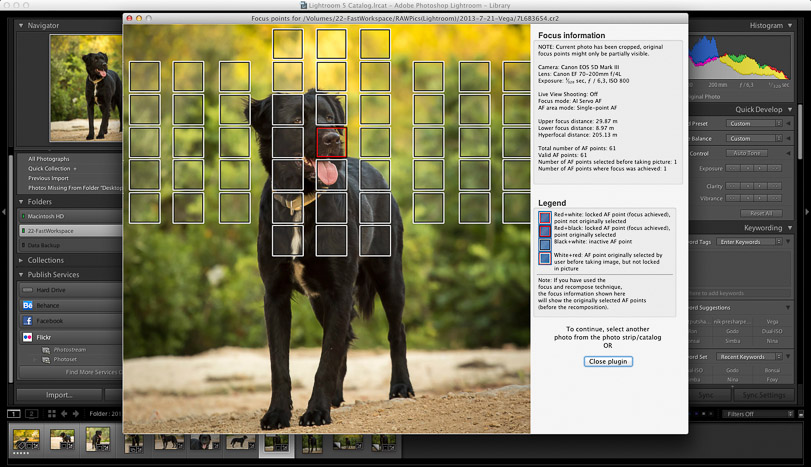
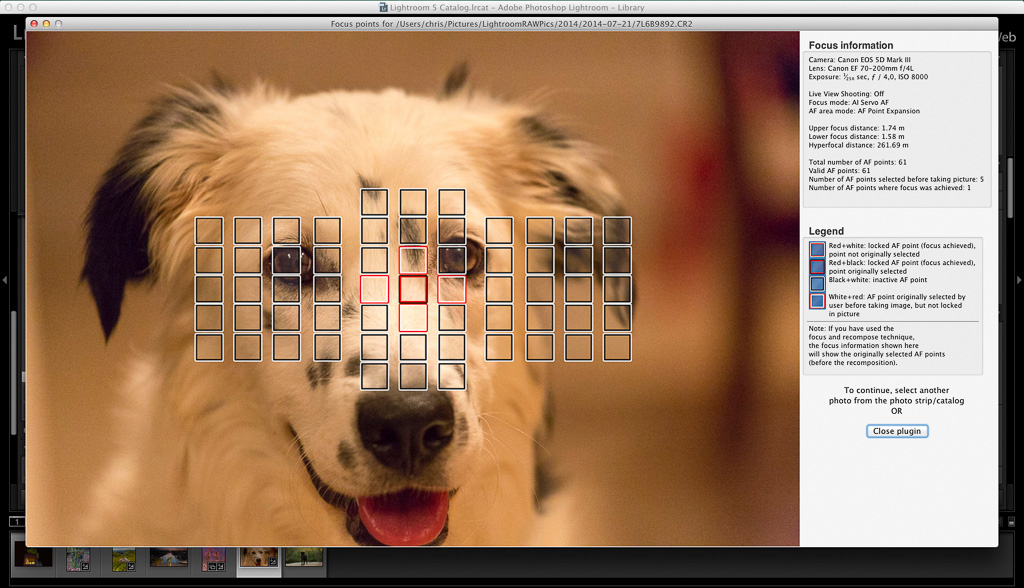
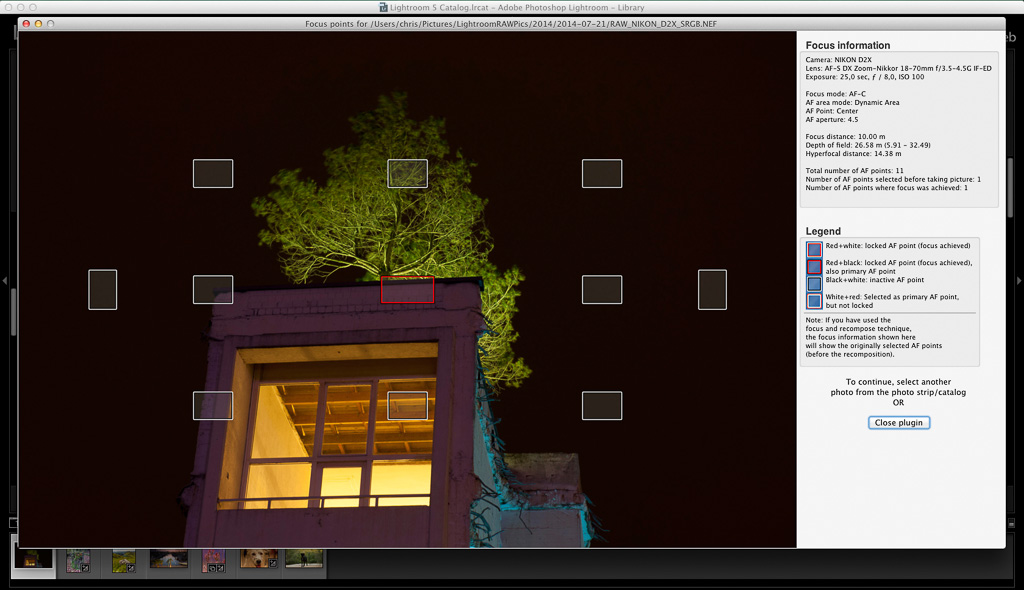
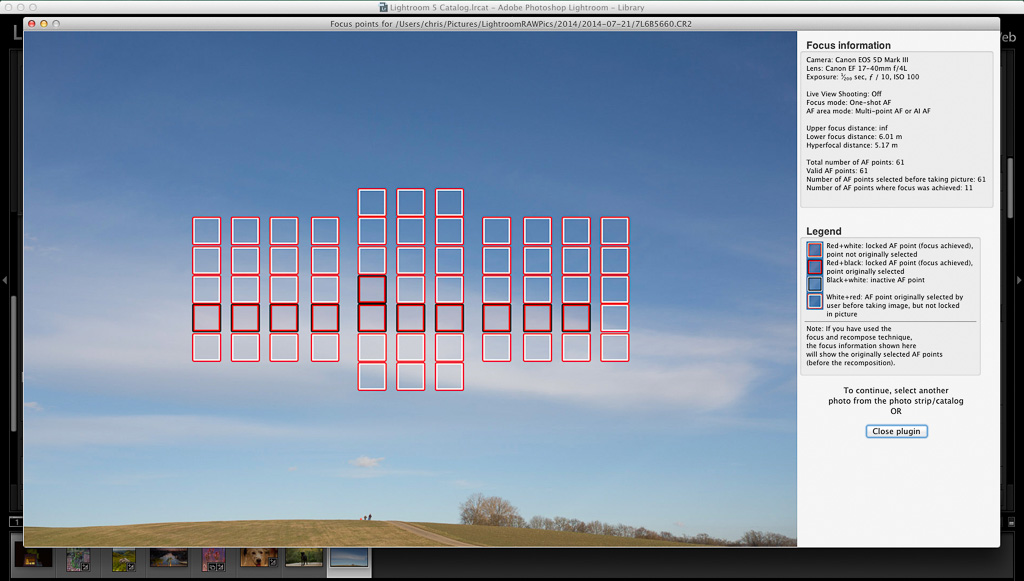
Show Focus Points is a plugin for Adobe Lightroom. It shows you which focus points were selected by your camera when the photo was taken.
Show Focus Points
2019 update released! Check out download page for details
Show Focus Points is a plugin for Adobe Lightroom. It shows you which focus points were selected by your camera when the photo was taken.
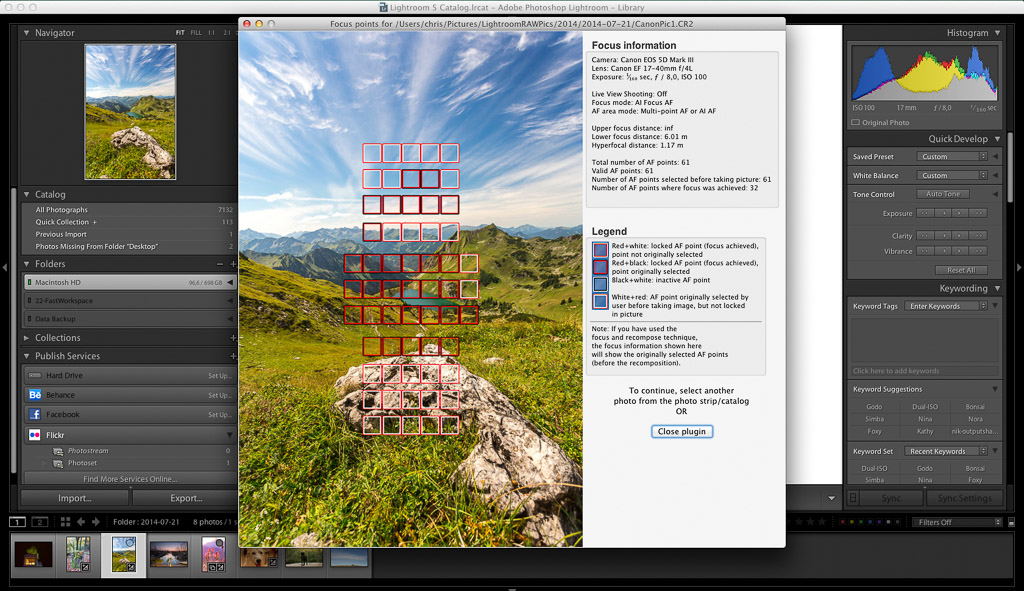
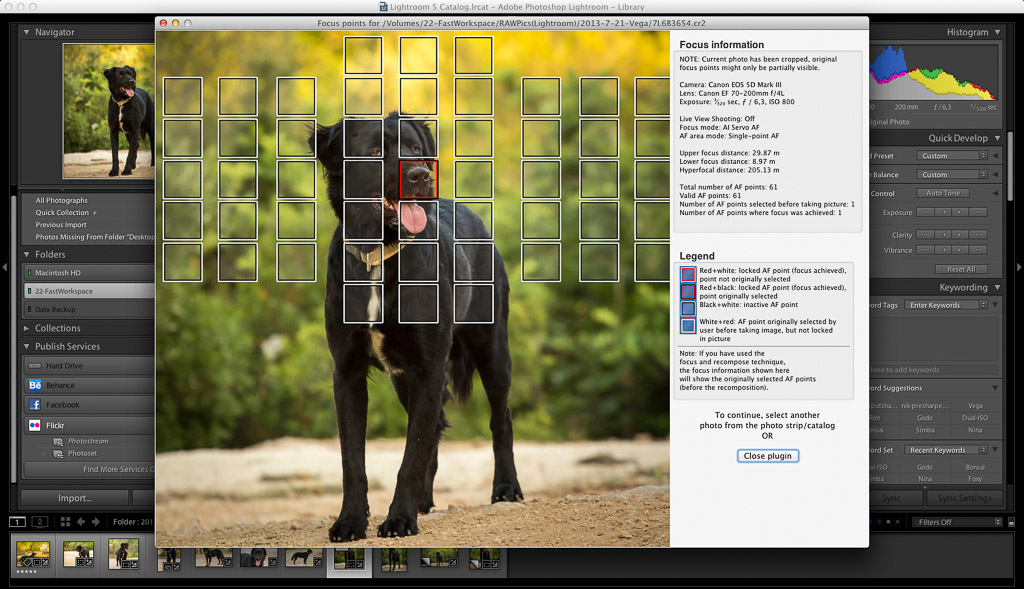
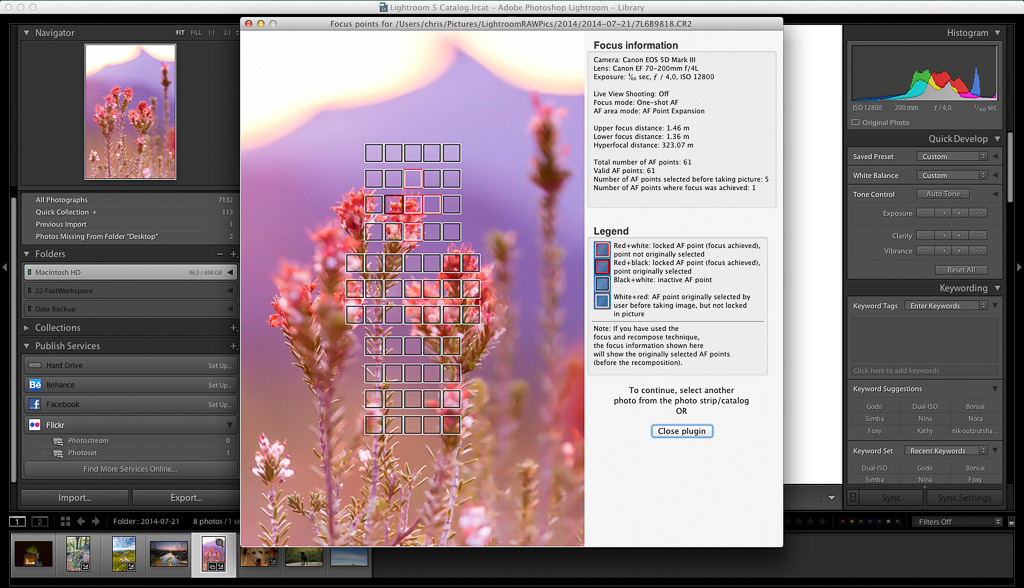
Show Focus Points is a plugin for Adobe Lightroom which shows you which of your camera's focus points were used when you took a picture.
Below find some screenshots of the plugin in action.
Click on the images to enlarge them.
Download Mac-only version (6.6 MB)
Download Windows-only version (14 MB)
Download version containing both Mac+Windows versions (20 MB)
The answer is , a law from 1907 that prohibits the distribution of "indecent" materials. In a landmark 1957 trial over the translation of Lady Chatterley’s Lover , the Japanese Supreme Court defined "indecent" as the unnecessary stimulation of sexual desire and the explicit depiction of genitalia.
For the consumer, it offers an endlessly deep rabbit hole of niche fantasies. For the sociologist, it is a case study in legal hypocrisy and labor abuse. For the actress, it is a Faustian bargain—trading privacy for a shot at idolization. japanese av
As the world debates the ethics of pornography, Japan’s $10 billion AV industry stands as a cautionary tale and a dazzling spectacle. The pixelated mosaic remains, but the picture underneath is crystal clear: Japan has turned the forbidden into the most profitable art form of the 21st century. Disclaimer: This article is for informational and cultural analysis purposes only. The author does not endorse illegal activity or non-consensual content. Always support ethical production and performer rights. The answer is , a law from 1907
But what lies beneath the pixelated mosaic? How did a nation known for tea ceremonies and corporate loyalty become the world's second-largest producer of adult films (second only to the United States)? This article explores the history, business models, legal gymnastics, and social controversies of the multi-billion dollar industry known as Japanese AV. Before the high-definition streams and VR headsets, Japanese erotic imagery traveled a long road. The origins of modern AV trace back to three key eras: The Edo Period (1603-1868): Shunga Long before film, Japan mastered erotic art. Shunga (spring pictures) were woodblock prints depicting explicit sexual acts. Unlike Western erotica, which was often hidden, Shunga was widely consumed across all social classes. This historical acceptance of explicit art embedded a cultural "separateness" between public modesty and private pleasure—a duality that still defines Japanese AV. The 1970s: The "Roman Porno" Revolution Modern AV owes its soul to studios like Nikkatsu , which launched its "Roman Porno" series in 1971. These were softcore theatrical films with actual plots (drama, horror, romance) interspersed with erotic scenes. They were legal because they avoided showing genitalia directly. This era created the first porn stars in Japan, such as Naomi Tani, who became household names. The 1980s: The VHS Earthquake (The True Birth of AV) The watershed moment was 1981. Two events collided: the affordable home VHS recorder and the release of the first "video naked" films. Suddenly, consumers could watch adult content in private. Diamond Visual and Alice Japan were among the first studios to create what we now call AV. For the sociologist, it is a case study
The answer is , a law from 1907 that prohibits the distribution of "indecent" materials. In a landmark 1957 trial over the translation of Lady Chatterley’s Lover , the Japanese Supreme Court defined "indecent" as the unnecessary stimulation of sexual desire and the explicit depiction of genitalia.
For the consumer, it offers an endlessly deep rabbit hole of niche fantasies. For the sociologist, it is a case study in legal hypocrisy and labor abuse. For the actress, it is a Faustian bargain—trading privacy for a shot at idolization.
As the world debates the ethics of pornography, Japan’s $10 billion AV industry stands as a cautionary tale and a dazzling spectacle. The pixelated mosaic remains, but the picture underneath is crystal clear: Japan has turned the forbidden into the most profitable art form of the 21st century. Disclaimer: This article is for informational and cultural analysis purposes only. The author does not endorse illegal activity or non-consensual content. Always support ethical production and performer rights.
But what lies beneath the pixelated mosaic? How did a nation known for tea ceremonies and corporate loyalty become the world's second-largest producer of adult films (second only to the United States)? This article explores the history, business models, legal gymnastics, and social controversies of the multi-billion dollar industry known as Japanese AV. Before the high-definition streams and VR headsets, Japanese erotic imagery traveled a long road. The origins of modern AV trace back to three key eras: The Edo Period (1603-1868): Shunga Long before film, Japan mastered erotic art. Shunga (spring pictures) were woodblock prints depicting explicit sexual acts. Unlike Western erotica, which was often hidden, Shunga was widely consumed across all social classes. This historical acceptance of explicit art embedded a cultural "separateness" between public modesty and private pleasure—a duality that still defines Japanese AV. The 1970s: The "Roman Porno" Revolution Modern AV owes its soul to studios like Nikkatsu , which launched its "Roman Porno" series in 1971. These were softcore theatrical films with actual plots (drama, horror, romance) interspersed with erotic scenes. They were legal because they avoided showing genitalia directly. This era created the first porn stars in Japan, such as Naomi Tani, who became household names. The 1980s: The VHS Earthquake (The True Birth of AV) The watershed moment was 1981. Two events collided: the affordable home VHS recorder and the release of the first "video naked" films. Suddenly, consumers could watch adult content in private. Diamond Visual and Alice Japan were among the first studios to create what we now call AV.