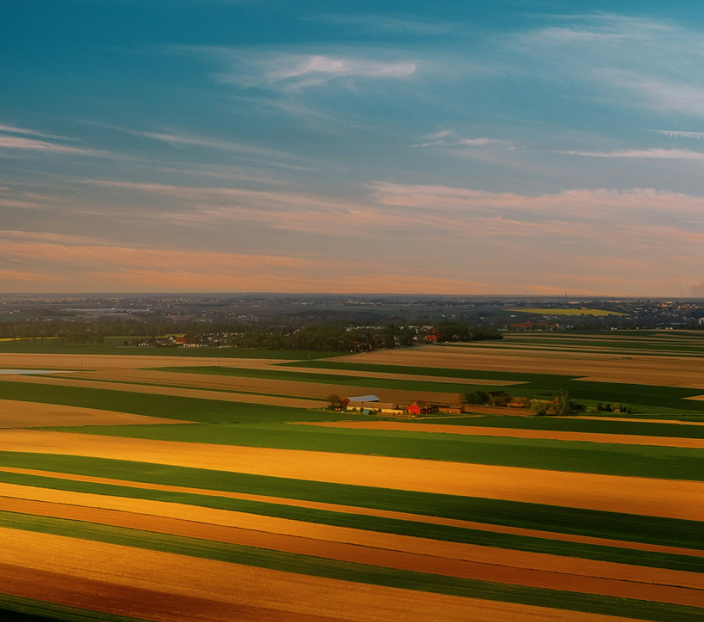
Conversely, to understand modern Kerala, one must watch its movies. For the past fifty years, Malayalam cinema has not just reflected the culture of Kerala; it has been an active, often uncomfortable, participant in shaping its conscience. This article delves deep into that relationship, exploring how geography, politics, food, language, and social reform play out on the silver screen. From the very first frames of a classic Malayalam film, the culture of Kerala is undeniable. Unlike Hindi cinema, which often uses exotic locales (Switzerland, Kashmir) as a backdrop for song-and-dance routines, Malayalam cinema uses its own geography as a narrative engine. The backwaters of Alappuzha, the misty high ranges of Wayanad, and the crowded, communist heartlands of Kannur are not mere postcards; they are active participants in the drama.
In the lush, rain-soaked landscapes of southern India, where backwaters snake through palm-fringed villages and the Arabian Sea kisses a coastline of red laterite cliffs, a unique cinematic language has been evolving for nearly a century. Malayalam cinema, often overshadowed by the commercial giants of Bollywood and the spectacle of Tamil and Telugu industries, has quietly earned a reputation as the most nuanced, realistic, and intellectually honest film industry in India. But to truly understand Malayalam cinema, one cannot simply watch its films; one must understand Kerala—its politics, its matrilineal history, its literacy rate, its communist heritage, and its deep-seated angst.
The Malayali viewer is a fierce critic. They can identify a plothole from a mile away and will dismiss a film for inauthentic slang. Filmmakers must respect the intelligence of this audience; melodrama is often rejected in favor of stoic realism. This is the "Kerala effect"—a culture that demands verisimilitude. Part V: The Changing Woman – From Mother Goddess to Rebel No cultural analysis of Kerala is complete without discussing its complicated history of matriliny (Marumakkathayam) and its eventual shift to patriarchy. Malayalam cinema has served as a running commentary on this transition. Indian Mallu Xxx Rape
The culture of Kerala is defined by the Pravasi (expat). Homes built with petrodollars, the obsession with gold, the broken families, and the alcoholism of returned migrants are recurring themes. Maheshinte Prathikaaram shows this subtly: the protagonist’s father is a failed Gulf returnee. Sudani from Nigeria flips the script, showing a Nigerian footballer in Malabar, exploring what "foreignness" means in a globalized Kerala.
The Malayali audience rejects feudal heroism. They root for the flawed, indebted, politically confused everyman. This is a direct result of Kerala’s land reforms and high literacy, which created a bourgeoisie that is intellectually restless but materially insecure. Films like Paleri Manikyam (2009) explicitly reconstruct historical violence from the early communist movement, treating cinema as a tool for historical reclamation. Part IV: Language and Literature – The Literate Spectator Kerala has the highest literacy rate in India, and its population is notoriously sahityathil thalparyamullavar (interested in literature). Consequently, Malayalam cinema is arguably the most literary cinema in India. The dialogue does not talk down to the audience. Writers like M. T. Vasudevan Nair, Padmarajan, and Sreenivasan brought a literary rigor to screenplay writing that is absent elsewhere. Conversely, to understand modern Kerala, one must watch
Furthermore, Malayalam cinema often directly adapts or references classic Malayalam literature. The ghost of Vaikom Muhammad Basheer haunts films like Saajan Bakery Since 1962 (2020), while the melancholy of M. T. Vasudevan Nair’s prose is the DNA of films like Nirmalyam (The Offering). This creates a feedback loop: cinema popularizes literary tropes, and literature provides cinema with intellectual legitimacy.
For decades, the "ideal" Malayali woman on screen was the mother—sacrificing, silent, clothed in a settu mundu (traditional white saree with gold border). Think of Chemmeen (1965), which codified the tragic "woman as the keeper of honor" trope. But as Kerala modernized, so did its cinematic women. From the very first frames of a classic
Keralites have a profoundly intimate relationship with their land. Malayalam cinema capitalizes on this by refusing to sanitize its geography. The mud is real, the humidity is visible on the actors’ skin, and the rain is a nuisance, not a romantic interlude. This authenticity fosters a fierce cultural pride among viewers. Part II: The Politics of the Plate – Food and Feudal Memory No discussion of Kerala culture in cinema is complete without the sadhya (the traditional vegetarian feast served on a banana leaf). Malayalam cinema is famous for its obsessive, almost fetishistic depiction of food. However, this isn’t just about hunger; it is a complex language of caste, class, and gender.